

Summary of the 19th National Congress of Cancer Biotherapy & National Congress of Cancer Cell Therapy and Immunotherapy
Source:CSI
2026-06-03
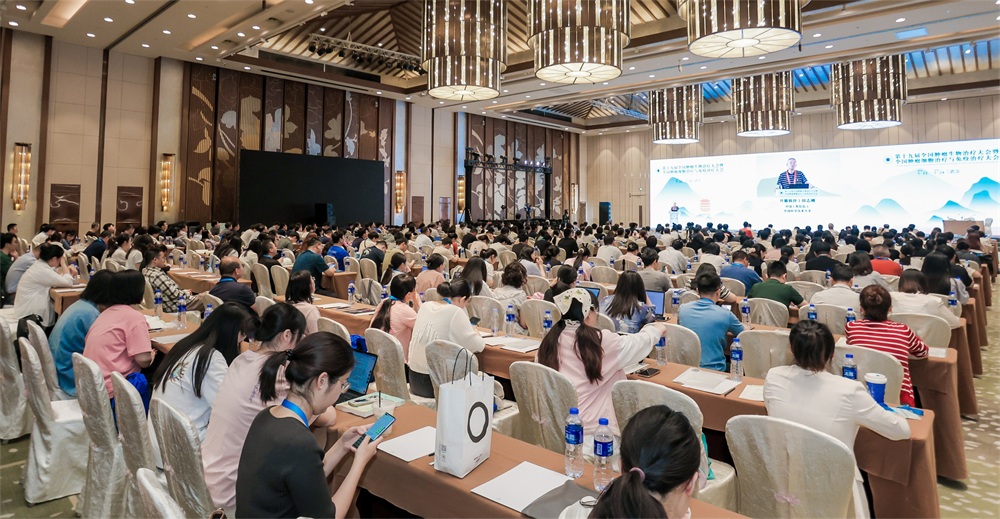
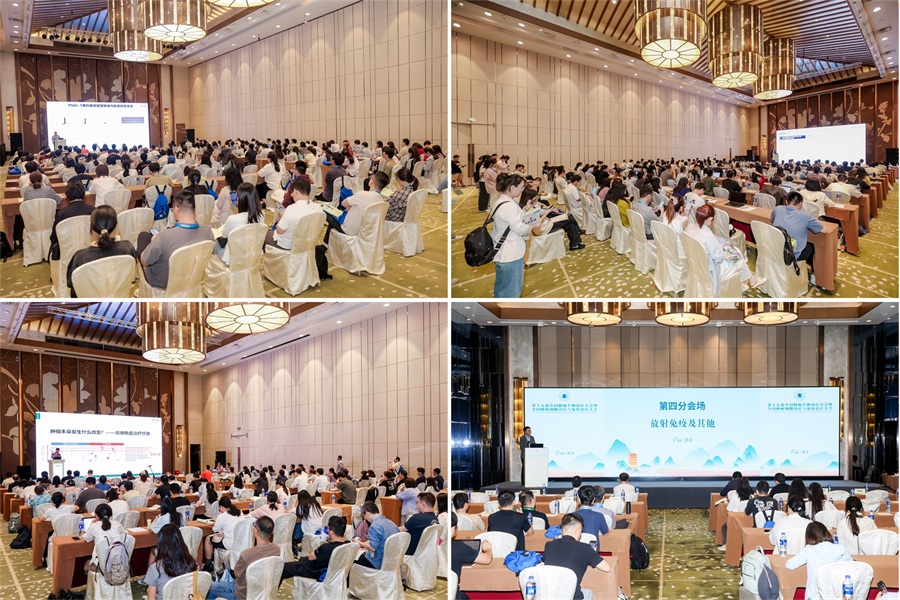
The 19th National Congress of Cancer Biotherapy & National Congress of Cancer Cell Therapy and Immunotherapy was grandly held in Wuhan, Hubei Province, from May 22 to 24, 2026. Hosted by the Chinese Society for Immunology (CSI), the congress attracted 500 registered delegates and received 207 abstract submissions, showcasing the immense vitality and academic cohesion of China's cancer biotherapy field.
Pre-Conference Forums Kick Off with Core Themes
On the afternoon of May 22, four featured pre-conference forums were held concurrently. Sixteen leading experts engaged in deep academic exchanges with attendees, focusing on four cutting-edge themes:
• Novel immune checkpoint modulators and cell engagers
• Tumor microenvironment regulation and multi-specific drug development
• Cellular therapies, gene editing, and clinical translation
• Therapeutic cancer vaccines and advanced targeted technologies
Plenary Sessions Highlighting Strategic and Frontier Advancements
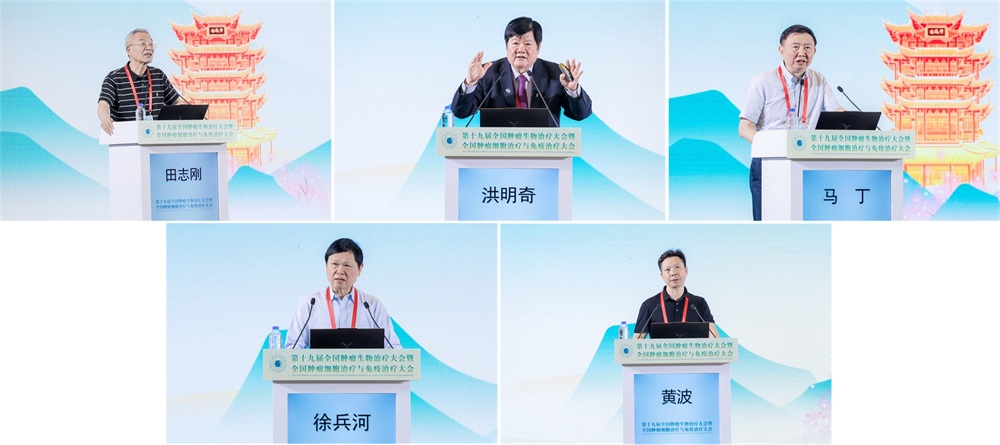
The congress officially opened on May 23. Leadership from the host and organizing institutions reviewed the development of cancer immunology in China and expressed high expectations for future high-quality innovation.
The subsequent plenary sessions featured high-level presentations from several academicians of the Chinese Academy of Sciences and Chinese Academy of Engineering, alongside senior domestic and international leaders. The presentations covered:
• New strategies, trends, and clinical challenges in tumor immunotherapy
• The crossover of clinical translation and national strategic needs
• Biomechanical mechanisms in cellular immunotherapy
• Immune strategies to overcome drug resistance and alter the tumor microenvironment
• Basic research breakthroughs, including non-coding RNA regulation, nanotechnology delivery, and T cell differentiation
Additionally, a special session provided an authoritative interpretation of the latest expert consensus on cancer-related clinical symptoms.
Parallel Sub-sessions Promote Interdisciplinary Integration
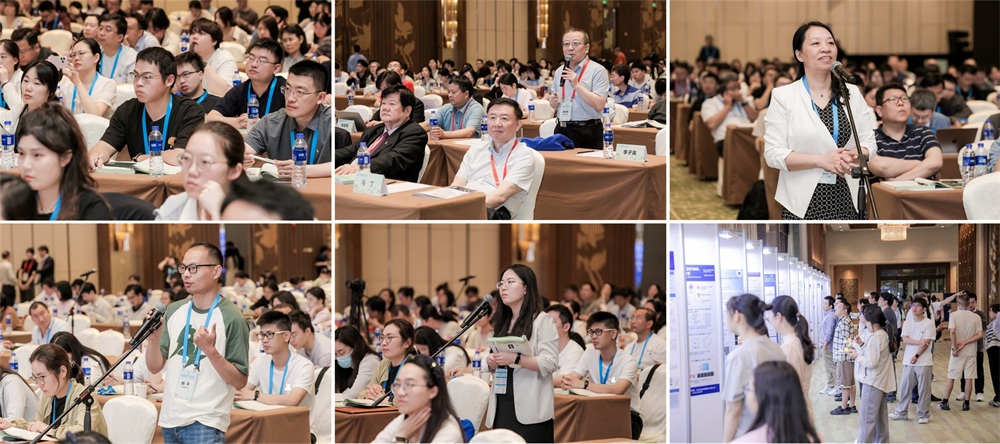
On May 24, the congress featured four parallel sub-sessions designed to facilitate deeper academic collision among mid-career and young experts. The program utilized a three-dimensional interactive model combining invited speeches, 24 outstanding oral presentations, and 80 high-quality poster displays across four dedicated tracks:
1. Basic Research and New Theories: Exploring tumor microenvironment evolution, cell metabolism, and immune response decoding.
2. Clinical Translation and New Technologies/Applications: Focusing on Treg homeostasis, advanced optical imaging, and overcoming treatment resistance.
3. Interdisciplinary Studies and Industry Integration: Sharing cutting-edge results in metabolic abnormalities, multi-omics integration, and spatial perturbation screening.
4. Radio-immunotherapy and Others: Discussing the immune and abscopal effects of radiotherapy, as well as mitochondrial homeostasis.
Conclusion
The successful conclusion of the 19th Congress fully demonstrated China's latest frontiers in cancer immunology. By fostering the deep integration of basic and clinical research, as well as academia and industry, the event has contributed vital scientific strength to the high-quality development of cancer biotherapy and the "Healthy China" initiative.
Pre-Conference Forums Kick Off with Core Themes
On the afternoon of May 22, four featured pre-conference forums were held concurrently. Sixteen leading experts engaged in deep academic exchanges with attendees, focusing on four cutting-edge themes:
• Novel immune checkpoint modulators and cell engagers
• Tumor microenvironment regulation and multi-specific drug development
• Cellular therapies, gene editing, and clinical translation
• Therapeutic cancer vaccines and advanced targeted technologies
Plenary Sessions Highlighting Strategic and Frontier Advancements
The congress officially opened on May 23. Leadership from the host and organizing institutions reviewed the development of cancer immunology in China and expressed high expectations for future high-quality innovation.
The subsequent plenary sessions featured high-level presentations from several academicians of the Chinese Academy of Sciences and Chinese Academy of Engineering, alongside senior domestic and international leaders. The presentations covered:
• New strategies, trends, and clinical challenges in tumor immunotherapy
• The crossover of clinical translation and national strategic needs
• Biomechanical mechanisms in cellular immunotherapy
• Immune strategies to overcome drug resistance and alter the tumor microenvironment
• Basic research breakthroughs, including non-coding RNA regulation, nanotechnology delivery, and T cell differentiation
Additionally, a special session provided an authoritative interpretation of the latest expert consensus on cancer-related clinical symptoms.
Parallel Sub-sessions Promote Interdisciplinary Integration
On May 24, the congress featured four parallel sub-sessions designed to facilitate deeper academic collision among mid-career and young experts. The program utilized a three-dimensional interactive model combining invited speeches, 24 outstanding oral presentations, and 80 high-quality poster displays across four dedicated tracks:
1. Basic Research and New Theories: Exploring tumor microenvironment evolution, cell metabolism, and immune response decoding.
2. Clinical Translation and New Technologies/Applications: Focusing on Treg homeostasis, advanced optical imaging, and overcoming treatment resistance.
3. Interdisciplinary Studies and Industry Integration: Sharing cutting-edge results in metabolic abnormalities, multi-omics integration, and spatial perturbation screening.
4. Radio-immunotherapy and Others: Discussing the immune and abscopal effects of radiotherapy, as well as mitochondrial homeostasis.
Conclusion
The successful conclusion of the 19th Congress fully demonstrated China's latest frontiers in cancer immunology. By fostering the deep integration of basic and clinical research, as well as academia and industry, the event has contributed vital scientific strength to the high-quality development of cancer biotherapy and the "Healthy China" initiative.
